
Personal Training
Training in Your Fifties: What to Keep, What to Drop, and What Nobody Tells You
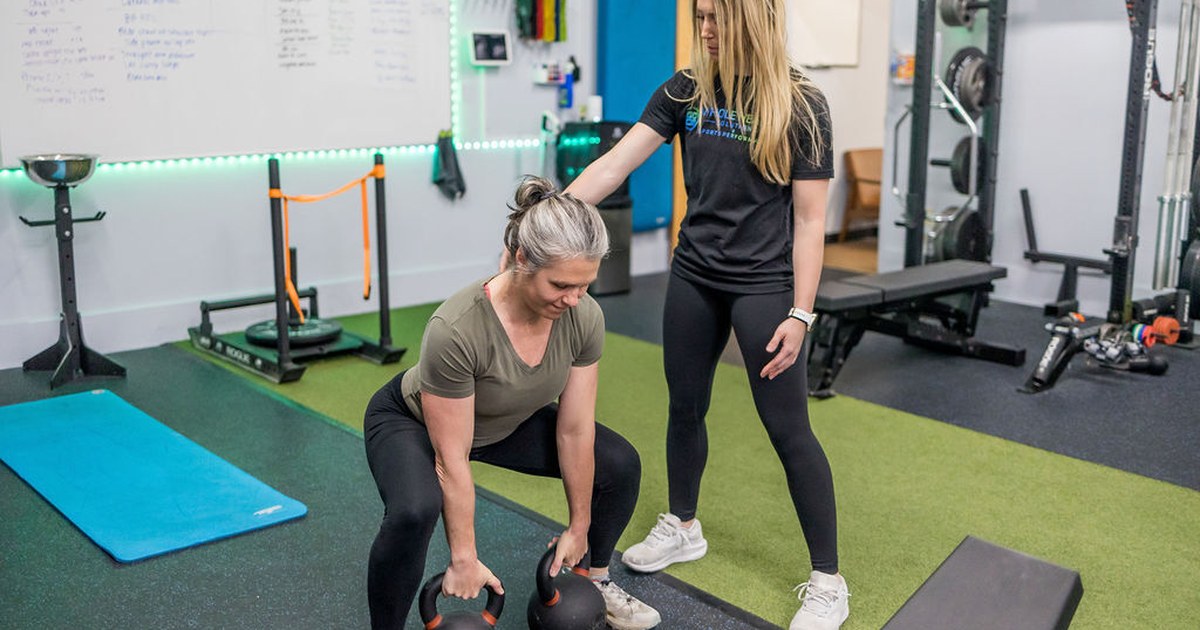
A woman on a discovery call with our team recently said something I hear in some form almost every month. She doesn't want to stop lifting, she doesn't want to stop walking, and she doesn't want to wait for her kids to come over and carry things for her. She wants the next ten years to look like the last ten, or better.
That is the right goal. And the people who get there are rarely the ones with the best genetics. They are the ones who changed how they train somewhere around fifty, instead of quitting or pretending nothing had changed.
So here is what I tell people in their fifties and sixties who walk into our gym: what to keep, what to drop, and the things nobody mentions until you find out the hard way.
What to keep
Lifting things that feel heavy. This is the big one. A lot of people hit fifty and drift toward light weights, high reps, and a lot of stretching, because it feels safer. But muscle and bone respond to load. If the weight never feels like work, your body has no reason to hold on to what it has.
The national Physical Activity Guidelines call for muscle-strengthening work at least two days a week for adults, and for older adults they add balance training on top of that. Two days. That is a very doable starting point.
Walking. Keep it. It's good for your heart, your mood, and your joints, and it's the easiest habit to protect when life gets busy. Just know that walking alone won't keep you strong. It pairs with lifting; it doesn't replace it.
The things you love. Golf, pickleball, hiking, skiing, gardening, chasing grandkids. Those are the reasons to train. Keep them on the calendar and let your training serve them.
What to drop
Going all out every session. In your twenties, you could crush yourself four days in a row and bounce back. Now, the workout that leaves you wrecked for three days costs you the next two sessions. The best results I see come from people who leave most workouts feeling like they had a little more in the tank.
The same routine for years. If you have done the same three machines at the same weight since 2015, your body adapted a long time ago. Progress needs a small, steady push: a little more weight, one more rep, a slightly harder version of the movement.
Pushing through sharp pain. Effort and soreness are fine. Sharp, pinching, or worsening pain is information. Training around it for months is how a small problem turns into a big one. If something keeps nagging, get it looked at by a physical therapist before it changes how you move. We wrote about why that matters in why your pain came back six months later.
The idea that you're too old to start. I have watched people start lifting in their fifties, sixties, and seventies and get stronger than they were at forty. The starting point is wherever you are today.
What nobody tells you
Recovery is part of the program now. Sleep, protein, and rest days stop being optional extras. If you are training hard and eating like a bird, you will feel beat up and wonder why. Spread your protein across your meals and protect your sleep like it's a workout.
Power fades faster than strength. Being able to lift something slowly is different from being able to move quickly: catching yourself on a curb, getting up off the floor, stepping out of the way. That quick, reactive ability tends to slip first, and it is what keeps you on your feet. So we train it on purpose, with things like faster step-ups, medicine ball throws, and controlled jumps when you're ready.
Balance is a skill, not a gift. People assume balance just goes with age. Much of it is strength and practice. Single-leg work, carries, and simple balance drills make a real difference, and they take minutes.
Your joints usually like load more than rest. If you have stiff knees or early arthritis, the instinct is to baby them. For many people, the right amount of strength work makes those joints feel better, not worse. The key word is right. That is where a good trainer earns their keep, and it's a big part of how we handle arthritis and joint stiffness.
Your bones are listening too. Bone responds to weight-bearing and resistance exercise, which is why the National Institutes of Health lists exercise as part of keeping bones healthy. If you have been told you have low bone density, that is a reason to train smart, not a reason to stop.
Muscle doesn't stay on its own. Your body slowly lets go of muscle it isn't using, and that gets more noticeable every decade. It's also why we push strength work so hard for anyone losing weight, which we covered in losing weight without losing your strength.
A simple week to start
If you're not sure where to begin, this is a solid first month:
- Two strength days, on non-consecutive days. Five or six movements: a squat or sit-to-stand, a hinge like a deadlift, a push, a pull, a carry, and one single-leg exercise.
- Pick weights where the last two reps of each set are hard, but your form stays clean.
- Walk on most other days. Add a few hills when it feels easy.
- Five minutes of balance practice, three times a week. Stand on one leg while you brush your teeth.
- Add a little weight or one rep each week. Write it down so you can see it.
That's it. Nothing fancy. Done consistently for a year, it changes what you can do.
If you want help with it
We work with a lot of people in this stage of life, from Shirley, Lancaster, Devens, and the towns around us. Most of them didn't need a harder workout. They needed a plan built around their body, their history, and what they want to keep doing. If that sounds like you, you can work one-on-one with a personal trainer in Shirley, and we have a program built specifically for older adults who want to stay strong and independent.
If we can help, book a free discovery call. Most people come into the clinic for it, but video and phone work too. Tell us what you want the next ten years to look like, and we'll show you how we'd get you there.
Talk to our team
A free consult to tell us what is going on and see if we can help.
Common questions
Is it safe to start lifting weights in your fifties?
For most people, yes. The key is starting at the right level and building up steadily. If you have a nagging injury or a medical condition, get it checked first so your plan works around it.
How many days a week should I strength train after 50?
Two days a week is a solid start and matches the national Physical Activity Guidelines. Add walking on most other days and a few minutes of balance practice.
Can I strength train with arthritis?
Many people with stiff knees or early arthritis feel better with the right amount of strength work. The load and the exercises matter, which is why we build each plan around the person.
Do I need to get in shape before I start personal training?
No. We start wherever you are today. Your first sessions are built around what you can do now and what you want to be able to do.