
Home›What We Treat›Vestibular Neuritis
Dizziness and concussion
Vestibular neuritis and labyrinthitis treatment in Shirley, MA
The short answer
Vestibular neuritis is inflammation of the balance nerve in the inner ear, often after a virus. It can cause a day or more of strong vertigo, then weeks of unsteadiness and dizziness with quick head moves. When hearing is affected too, it is often called labyrinthitis. The worst usually passes, but many people stay off balance because the brain has not fully adjusted. Vestibular therapy, with gaze and balance exercises, helps the brain adapt so you feel steady again.
On this page
What keeps you dizzy after vestibular neuritis
The first days are about the inner ear. The weeks after are often about how the brain adjusts.
- One side signals less
- The inflamed side sends weaker balance signals, so the two ears no longer match.
- Not enough movement
- Resting and avoiding head turns feels safer, but the brain needs movement to adjust.
- Vision taking over
- Many people start leaning on their eyes for balance, so busy places, screens, and the dark feel worse.
- Lost strength and confidence
- Days in bed and fear of falling can leave legs weaker and steps less sure.
When to get it checked
Get checked if you are still dizzy, unsteady, or uncomfortable with head turns a few weeks after an inner ear problem. Call 911 or go to the emergency room right away if dizziness comes on suddenly with a severe headache, trouble speaking, face drooping, weakness or numbness on one side, double vision, fainting, chest pain, or a racing or irregular heartbeat. Sudden hearing loss should be seen by a doctor right away.
What you can do at home right now
These are safe starting points for most people. They are not a replacement for a proper evaluation.
- Keep moving gently
- Short walks, with support nearby, help your brain adjust more than staying still.
- Turn your head on purpose
- Slow, comfortable head turns while you sit help the balance system recalibrate. Mild dizziness that settles is okay.
- Make home safe
- Night lights, clear floors and railings lower the risk of a fall while you recover.
How we treat vestibular neuritis at Whole Health Solutions
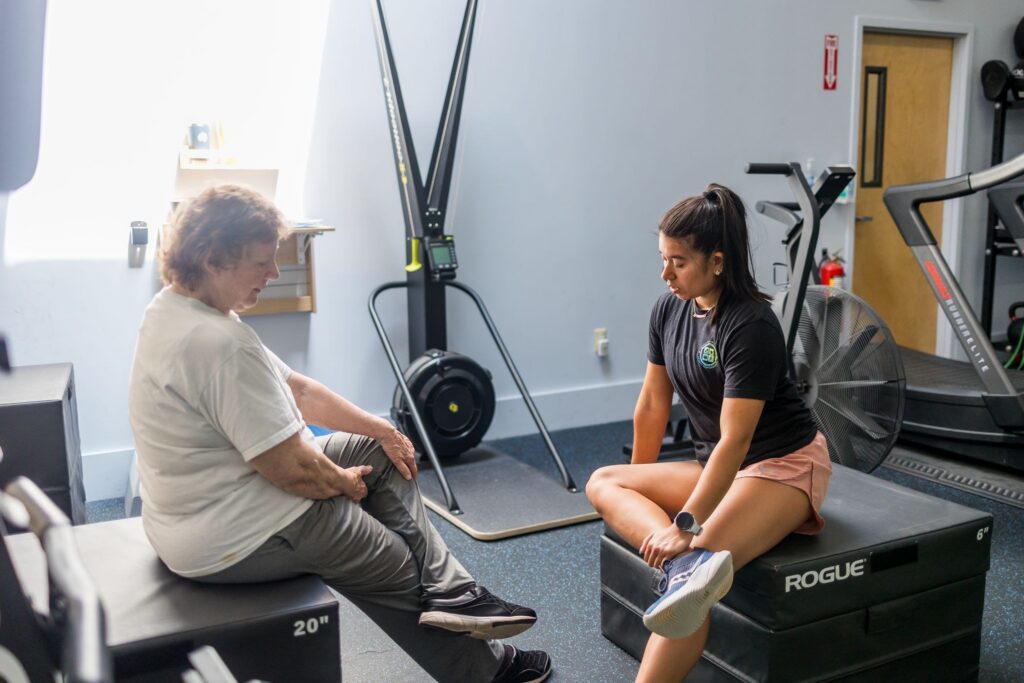
Your physical therapist is with you for the whole appointment, start to finish. We test your inner ear, eye movements and balance, then build exercises that get harder as you improve.
01
Relieve
Gentle gaze and head movement exercises, set at the right level, so dizziness settles instead of flaring.
02
Rebuild
Gaze stability and balance training that teach the brain to trust both ears again, plus leg strength for steadier steps.
03
Perform
Busy stores, driving, work and exercise, practiced step-by-step until they feel normal again.
04
Thrive
Stay with the team that knows you. Check ins, training and a quick tune up whenever something new comes up, so this stays in the past.
Thrive is not a finish line. When you are ready for your next goal, the same team that got you here is ready too.
★★★★★
"My goal is to get stronger and after 3.5 months I'm already stronger more agile and have better balance. A big thanks to Julia Hill and the entire team at WHS."
Talk to our vestibular physical therapist
A free consult to tell us what is going on and see if we can help.
Common questions about vestibular neuritis
How long does vestibular neuritis last?
The strong vertigo usually eases within days. Unsteadiness can last weeks to months, and vestibular therapy often shortens that by helping the brain adjust.
What is the difference between vestibular neuritis and labyrinthitis?
Both involve inflammation in the inner ear. Labyrinthitis also affects hearing, while vestibular neuritis affects balance only.
Should I rest or move with vestibular neuritis?
Rest in the first day or two if you need to. After that, gentle movement and head turns usually help recovery more than staying still.
Do I need a referral for vestibular neuritis?
No. You can book directly with us. Most of our clients do use their insurance for reimbursement of our physical therapy services. We go over everything in the discovery meeting.
This page is general information, not a diagnosis. Everyone is different, so the best next step is an evaluation with one of our physical therapists.
Visit us
Serving 22+ nearby towns and beyond
2 Shaker Road, Suite C200, Shirley, MA 01464. Monday to Thursday, 5:00 am to 8:00 pm, Friday, 5:00 am to 3:00 pm, and Saturday, 6:00 am to 1:00 pm.